
Securing health plan coverage for specialized or high-cost medications remains one of the most frustrating administrative bottlenecks in clinical outpatient care. When a prescription requires prior authorization (PA), traditional workflows require nurses and clinical staff to complete lengthy forms, fax clinical documentation to payers, and await manual review.
This manual friction creates severe care barriers. Patients frequently face multi-week delays before receiving critical therapies, leading to high rates of prescription abandonment and worsening clinical outcomes. Furthermore, clinical staff spend dozens of hours weekly tracking down coverage criteria instead of delivering direct patient care.
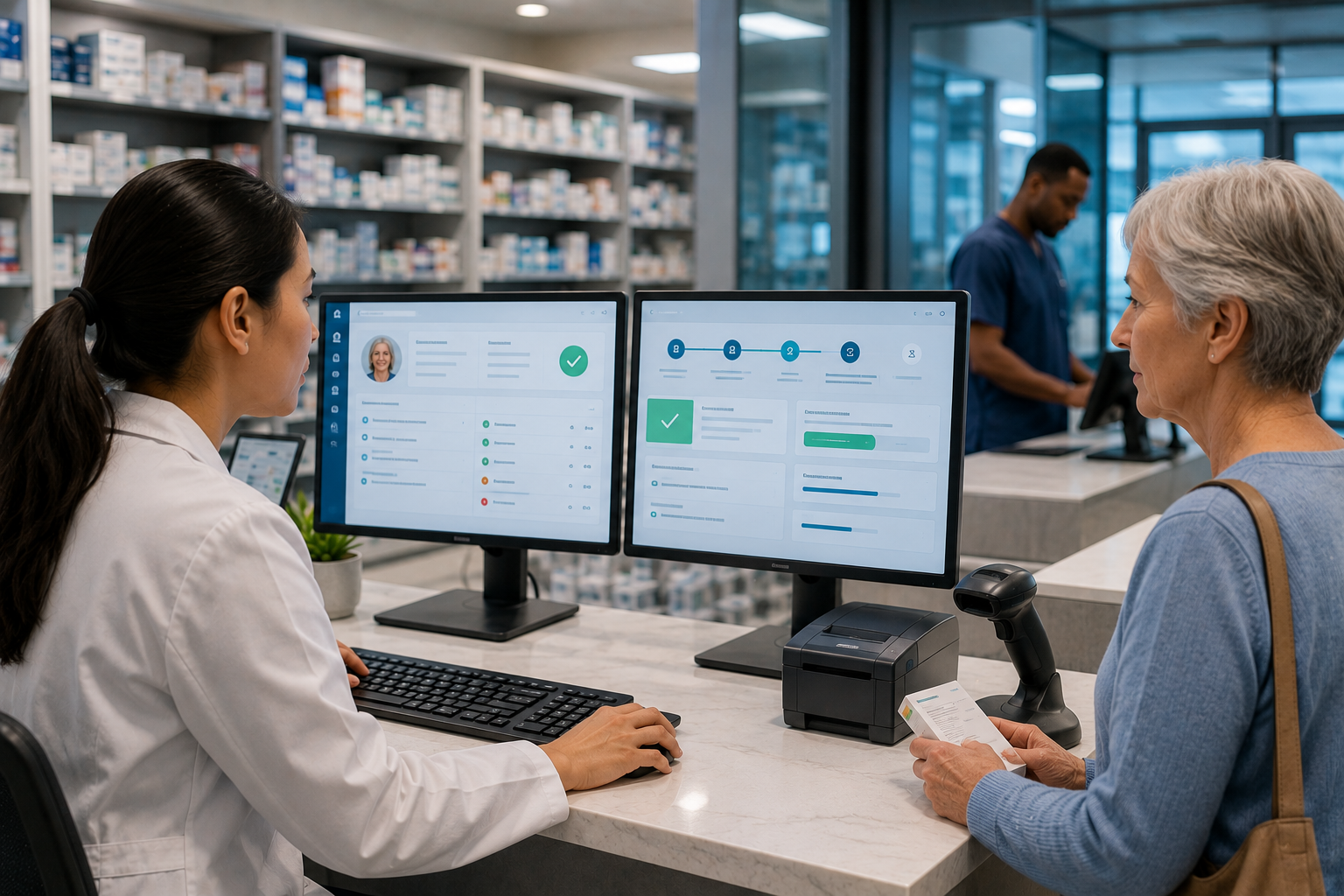
To streamline prescription fulfillment, health networks are implementing Real-Time Pharmacy Prior Authorization Engines directly within EHR Order Workflows. By automatically matching patient clinical records against payer coverage rules, these systems secure medication approvals the moment a physician writes the prescription.
Accelerating Prescriptions: Manual Prior Auth vs. Automated EHR Approval
Real-time prior authorization unifies clinical documentation, coverage verification, and approval submission into a single point-of-care step.
[Physician Orders Specialty Medication in EHR]
│
▼
[GoLiveX Real-Time Prior Auth Engine]
│
(Extracts Required Clinical Criteria & Labs)
│
▼
[Direct Electronic Payer Rule Engine Check]
│
▼
[Instant Electronic Coverage Approval Delivered to Pharmacy]
Operational Comparison: Legacy Manual PA vs. Real-Time EHR Automation
| Workflow Vector | Traditional Manual Prior Authorization | GoLiveX Real-Time Prior Auth Platform |
| Data Collection | Manual chart digging by clinical staff to find lab values and prior trial therapies. | Automated extraction of diagnostic histories, lab results, and clinical notes from the EHR. |
| Submission Channel | Faxes, phone calls, or external payer portal manual entries. | Direct electronic data interchange (EDI/API) submission inside order workflows. |
| Approval Timeline | Days to weeks of waiting time; high risk of lost documentation. | Seconds to minutes; real-time automated approvals at the point of prescribing. |
| Medication Adherence | Low; high rate of patient prescription abandonment due to long delays. | High; patients pick up approved medications without prolonged care interruptions. |
Primary Strategic Benefits for Healthcare Providers
- Instant Clinical Criteria Matching: The system evaluates relevant patient data—such as specific biomarker results or step-therapy history—against payer rules before the prescription order is finalized.
- Reduction in Staff Administrative Burden: Automating routine coverage approvals frees nurses and medical assistants from manual paperwork, allowing them to focus on direct care coordination.
- Alternative Drug Suggestions: If a requested medication is denied or requires extensive manual review, the platform instantly suggests covered, clinically equivalent formulary alternatives.
Key Takeaways
- The Prior Auth Barrier: Manual coverage approvals delay critical patient treatments and increase prescription abandonment rates.
- Point-of-Care Integration: Generating prior authorization requests inside the EHR order screen streamlines coverage verification.
- Automated Clinical Extraction: Advanced NLP pulls relevant lab results and clinical histories, fulfilling payer criteria automatically.
- Improved Care Adherence: Accelerating approval timelines ensures patients receive necessary therapies without administrative delays.
Leave a Reply